
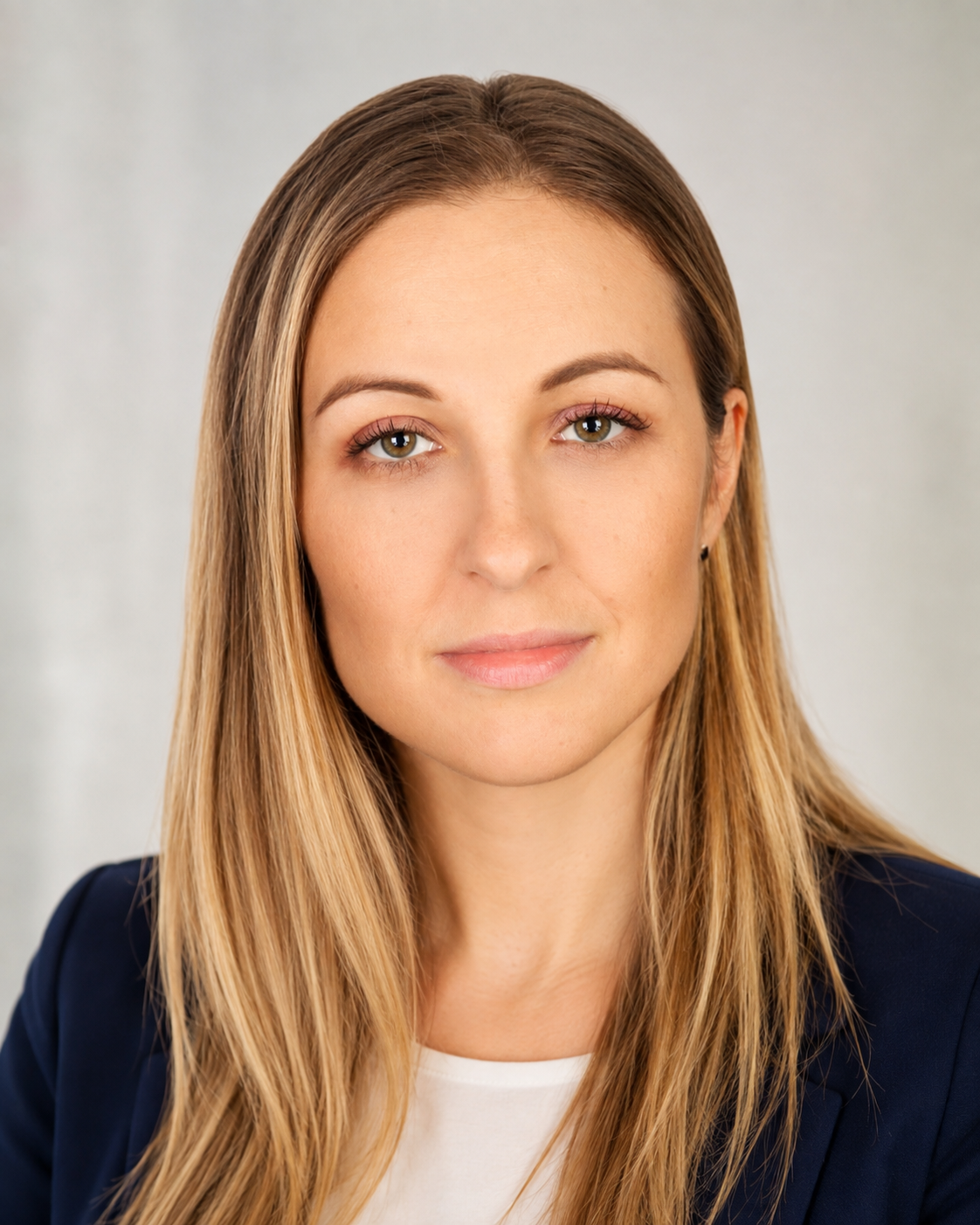
Anna Forysińska-Pietrucha
Beyond PBL: Design Thinking in Medical English Education
PRESENTATION
This session explores how Design Thinking can extend Problem-Based Learning in Medical English. While PBL introduces students to authentic clinical problems and meaningful medical vocabulary, Design Thinking adds a human-centred and iterative process based on empathy, defining communication challenges, generating ideas, prototyping and testing solutions. Using a realistic patient consultation as an example, the session demonstrates how students can develop not only their medical vocabulary, but also critical thinking, empathy, and professional communication skills. The approach aims to bridge the gap between language learning and authentic clinical practice.
Bio: I am an English language specialist and academic teacher at Jagiellonian University Medical College, where I have been teaching English for healthcare professionals and coordinating English courses in medical and pharmaceutical programmes since 2015. I hold an MA in English Philology with a specialization in English language teaching methodology. My professional interests include Medical English, innovative and project-based approaches to language teaching, and developing students’ communication skills for professional practice. In 2022, I received the Jagiellonian University Rector’s Award for teaching achievements. I have also presented on innovative approaches to PBL in Medical English last year on conference Languages in Medicine: Teaching, Testing, Practice.
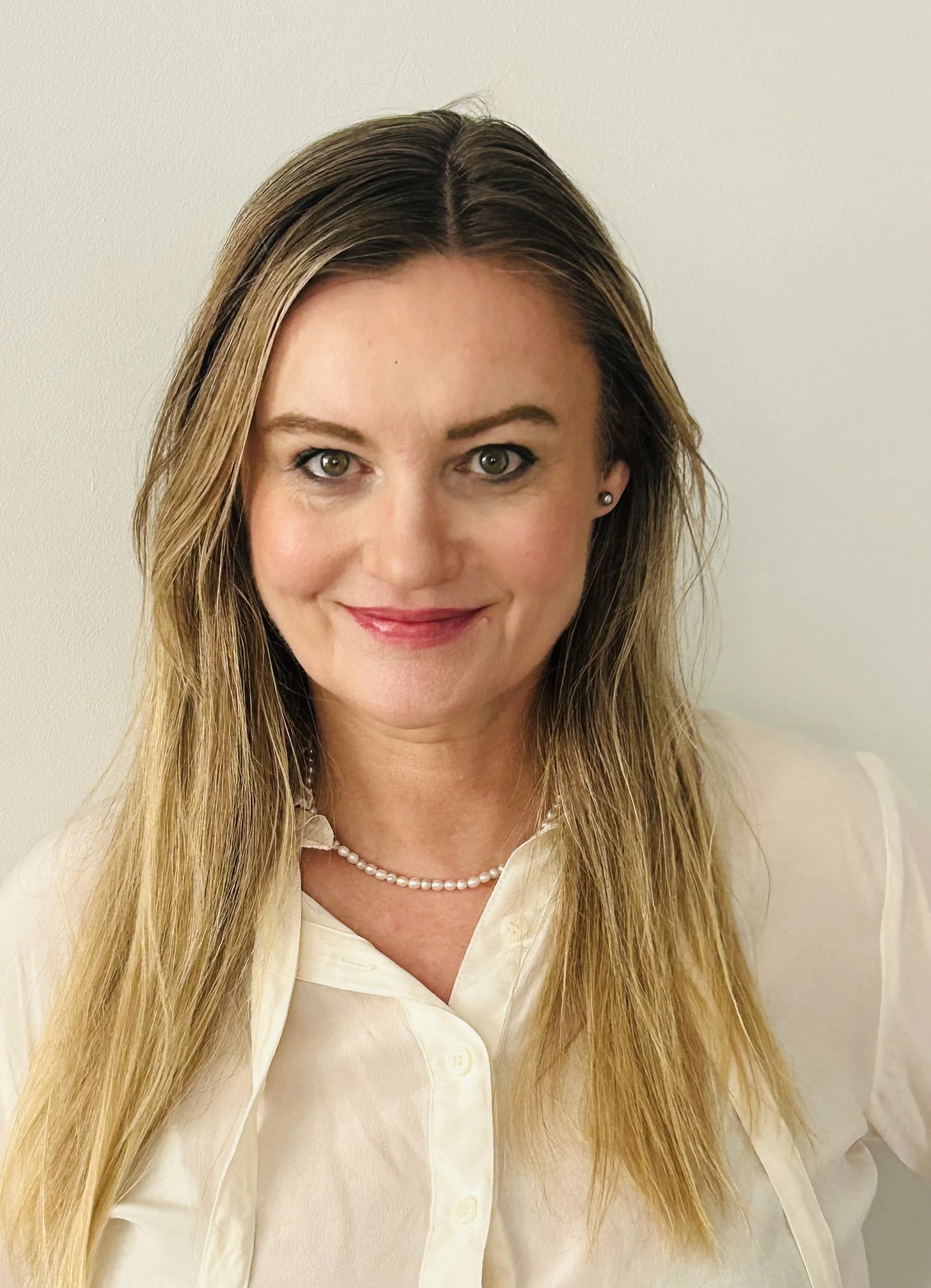
Ewa gRAVE
Building Rapport: The Role of Liking in the Doctor-Patient Relationship
PRESENTATION
When a patient genuinely likes a doctor and a doctor truly likes the patient, the benefits are numerous, ranging from improved health outcomes and better treatment adherence to enhanced clinical judgment and fewer medical errors. This presentation explores the role of liking in establishing rapport, trust, and effective communication in medical settings. Drawing on current research, it examines how emotional connection, warmth, and mutual respect can influence patient satisfaction and treatment compliance and discusses ways of helping medical English students apply these principles in their future clinical interactions.
Bio: Dr. Ewa Grave is a Senior Lecturer at the Language Centre of Jagiellonian University Medical College in Kraków, Poland. She holds a Ph.D. in Life Science from Akita University, Japan, and an M.A. in TESL (Teaching English as a Second Language) from St. Cloud State University, USA. With over 25 years of international teaching experience in the United States, Japan, and Poland, her professional interests include English for Medical Purposes, medical communication, intercultural competence, and assessment quality in higher education. Combining expertise in language education with a background in biomedical sciences, she brings an interdisciplinary perspective to healthcare language teaching.
Virginia Vecchiato
When Plain Language Is Not Enough: Mediation, Accessibility and Autism in Healthcare English
PRESENTATION
How can healthcare information be made more accessible to autistic people without simply making it “simpler”? This presentation explores autism-friendly healthcare communication through the lens of intralingual and multimodal translation. Drawing on examples of healthcare materials designed for autistic and non-autistic audiences, it considers how linguistic choices, information structure and visual organisation can affect communicative accessibility. Rather than treating accessibility as mere simplification, the session approaches it as a process of redesigning information around different communicative and cognitive needs, with implications for both healthcare communication and English for Healthcare.
Bio: Virginia Vecchiato is a Tenure-Track Researcher in English Language, Linguistics and Translation at the University of Parma, Italy. Her research interests include specialised discourse, legal and healthcare communication, translation and accessibility, with a particular focus on the relationship between language, inclusion and communicative access. Her current research explores accessible communication in healthcare settings, with particular attention to the communicative needs of autistic people and to the potential of intralingual and multimodal translation to support more inclusive healthcare communication.
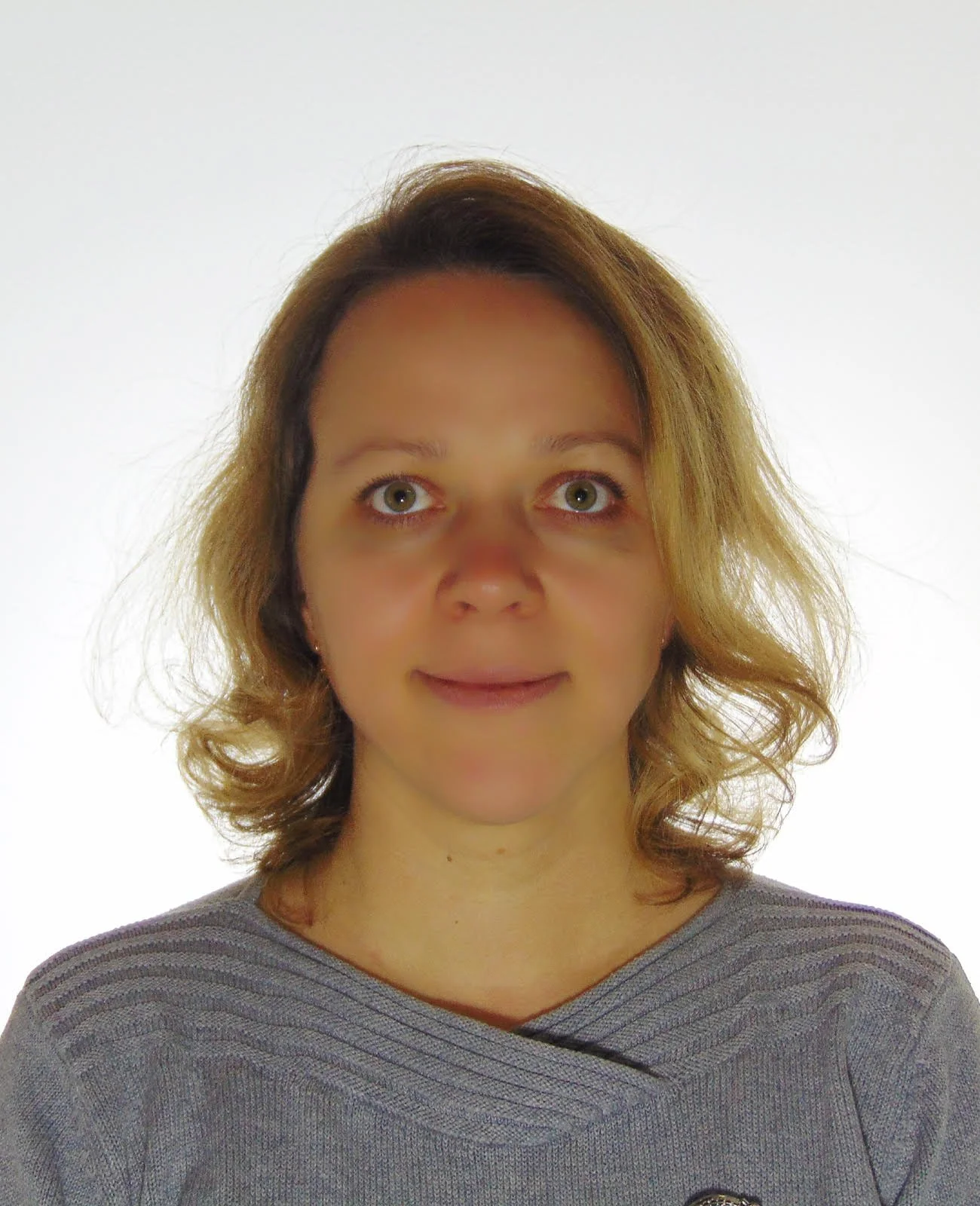
Oleksandra Golovko & Tajana Tomak
English for Nursing higher level course
PRESENTATION
The presentation outlines the rationale, development, and key features of the “English for Nursing” course designed within the PERFECT project. It highlights how changing nursing roles, increasing linguistic and cultural diversity, and higher English proficiency among nursing students have created a need for a more advanced and professionally oriented course. Drawing on survey data from over 500 pre-service and in-service nurses, the presentation introduces the revised learning outcomes, course structure, and its focus on medical terminology, clinical communication, health literacy, academic skills, and communication with diverse patients. It also demonstrates how the 23 course units integrate language learning with anatomy, physiology, pathology, clinical scenarios, and case-based learning to prepare students for effective communication in contemporary healthcare settings.
Bios: Oleksandra Golovko, PhD, is a teacher of English and French. She currently serves as a lecturer of English at Tartu Applied Health Sciences University, Estonia. She is a course leader for English Language courses for students majoring in Nursing and Midwifery. Oleksandra Golovko actively coordinates the Erasmus+ PERFECT (Promoting English Readiness for Effective Care and Trust of Nurses) consortium.
Tajana Tomak is a Professor of English Language and Literature and German Language and Literature. She currently serves as a senior lecturer of English and German at the Faculty of Health Studies, University of Rijeka. She is a course leader for English Language courses for the University Undergraduate Studies in Midwifery, Nursing, Physiotherapy, and Radiologic Technology. Tomak actively participates in the Erasmus+ project consortium and is a member of both the Association of LSP Teachers at Higher Education Institutions (ALSPTHEI) and the International Association of Teachers of English as a Foreign Language (IATEFL).
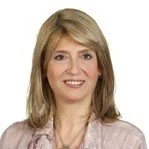
Bahar Kızıltunalı
Assessment as Clinical Communication: Practical Innovation in OET-Oriented Health ESP
PRESENTATION
In many Health-ESP programmes, OET preparation can become format-driven, encouraging memorised templates, scripted empathy phrases, and answer-location strategies that may support exam performance but narrow professional communication. This presentation shares classroom-based practices from an OET-oriented Health ESP programme that reframes preparation as professional communication training. Reading, writing, and speaking tasks are redesigned to embed clinical reasoning, paraphrasing, audience awareness, relevance filtering, clarification, reformulation, and adaptive rapport-building. Through practical tasks and feedback, the session shows how OET preparation can support exam outcomes while developing authentic clinical communication and emerging professional identity.
Bio: Bahar Kızıltunalı holds a Bachelor’s degree in English Language and Literature from Ege University, a Diploma in ELT Management, and a TESOL Certificate from the University of California. She was a founding faculty member at İzmir University of Economics, where she served as Head of the Preparatory School for 13 years and was responsible for the academic management of the programme. Her professional expertise includes English language teaching, testing and assessment, academic management, and quality assurance. She has developed testing programmes for various institutions and was a qualified City & Guilds Quality Inspector. Throughout her career, she has participated in international conferences, professional courses, and focus groups at institutions including the Universities of Oxford and Cambridge and the University of California. She was also invited by the British Council Brazil to deliver seminars and training on testing and academic management across four cities and six institutions. She maintains an extensive professional network within ELT in Türkiye and internationally.
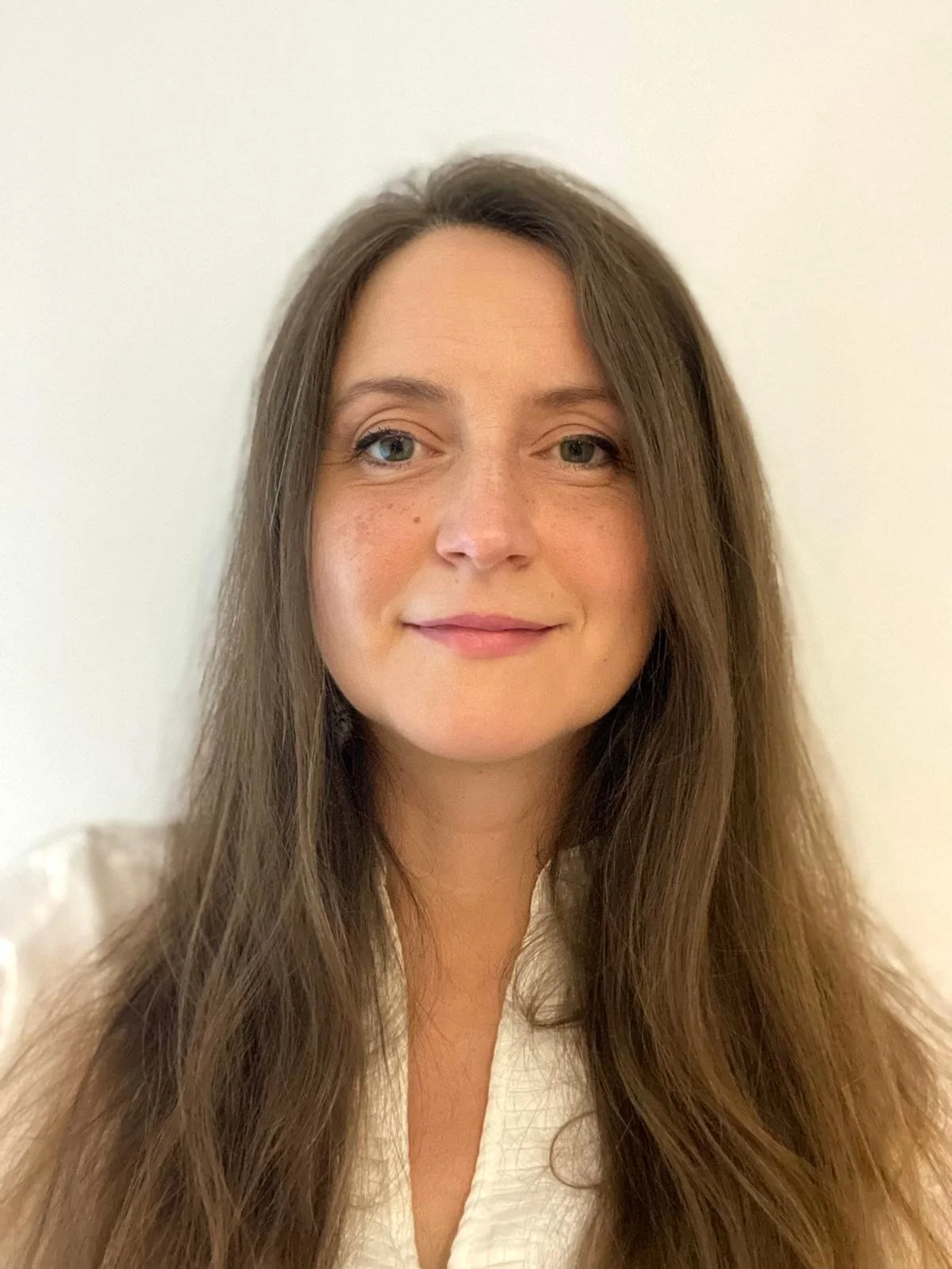
Ioana Cretu
“Because I’m desperate!” Attending to healthcare professionals’ real wor(l)ds
PRESENTATION
Healthcare professionals working with us to develop their English and communication skills do so alongside full-time workloads, on-calls, (PhD) research, teaching, parenthood, with plenty of mixed feelings about self, finances, technology, the future. At her session, Ioana will draw on real cases and dilemmas to invite honest discussion of what it means to respond adaptively to our clients’ actual circumstances and envisioned trajectories. Be ready to rethink what counts as preparation, for words produced through practice or reflection do not remain with us: when our clients' language shapes decisions, interactions, documents, and outcomes, is that not healthcare infrastructure?
Bio: Ioana Crețu is an independent ESP specialist, OET Preparation Partner, and certified medical translator who partners with healthcare professionals and language educators to advance clinical and academic communication. Previously a university lecturer, Ioana holds a PhD in Education and an MA in Applied Linguistics and TEFL Methodology. Ioana has become a go-to expert for training challenges requiring deep understanding and creative solutions. She contributes regularly to professional development through EALTHY, IATEFL, and TESOL, and she co-hosts the ESP Unplugged podcast. Her website is www.ioanacretu.ro.
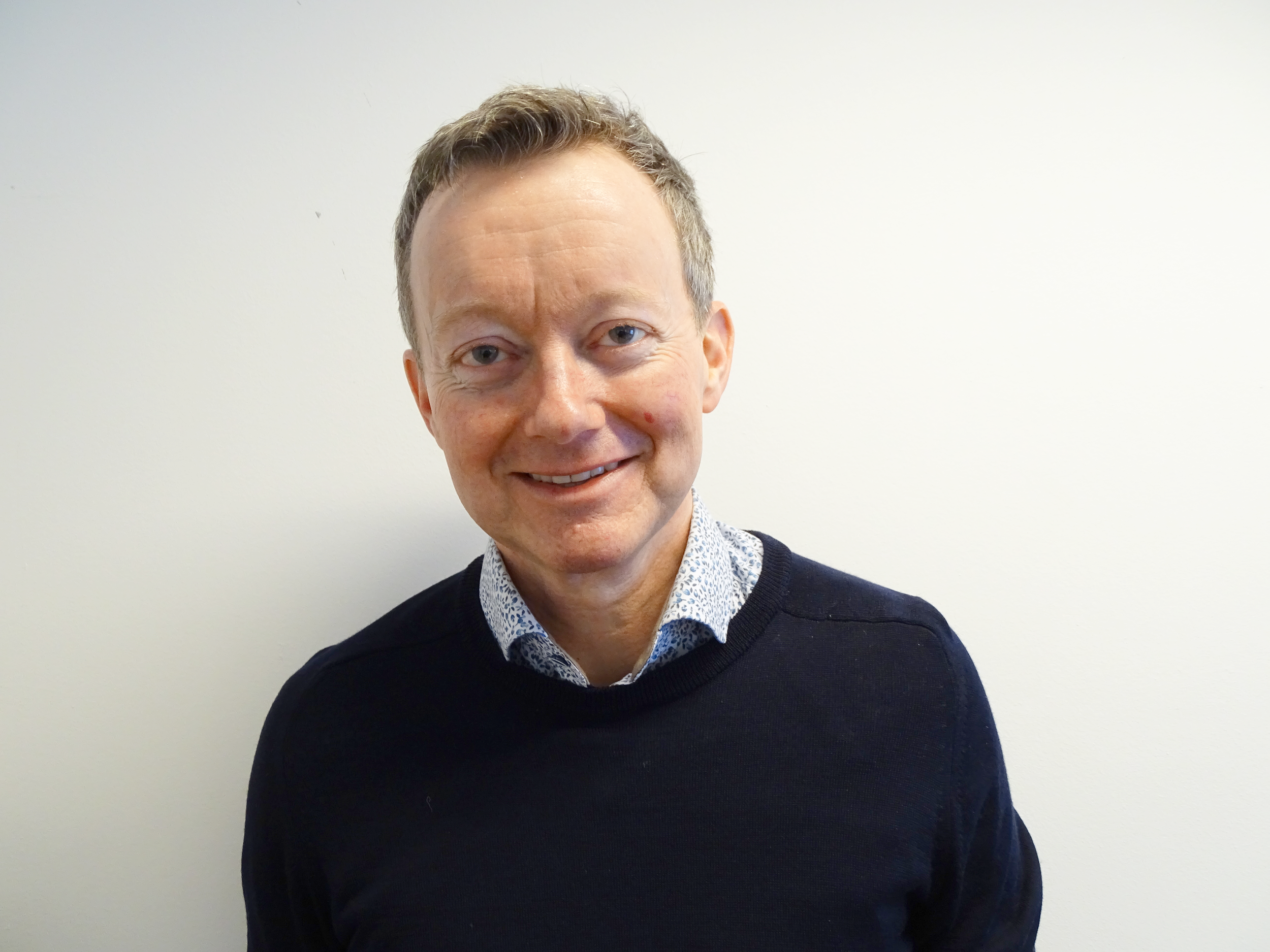
CHRIS MOORE
How can AI provide high-quality clinical communication skills training at scale?
PRESENTATION
Around 390,000 overseas-born workers make up a huge part of the UK care workforce — yet targeted support for their workplace communication needs is still scarce.
Our answer: an LLM-powered learning tool using Retrieval-Augmented Generation, offering eight thematic units of realistic AI roleplay scenarios with instant, criteria-referenced feedback on grammar, vocabulary, and professional communication.
After rigorous alpha and beta testing with healthcare professionals and carers across the UK, we present the results: safe, empathetic, realistic responses with strong recommendation rates.
We also explore the wider implications for English for healthcare teaching, examining a scenario-based model that has the potential to be applied across nursing and medical education contexts.
Bio: Chris Moore is Founder and Managing Director of Specialist Language Courses (SLC), one of Europe’s leading Medical English education companies. SLC publishes over 850 hours of digital learning content, used by universities, healthcare employers and individuals worldwide. Chris has worked in specialist and vocational English language training since graduating from Cambridge University in 1989 in a wide variety of teaching, academic and commercial roles.
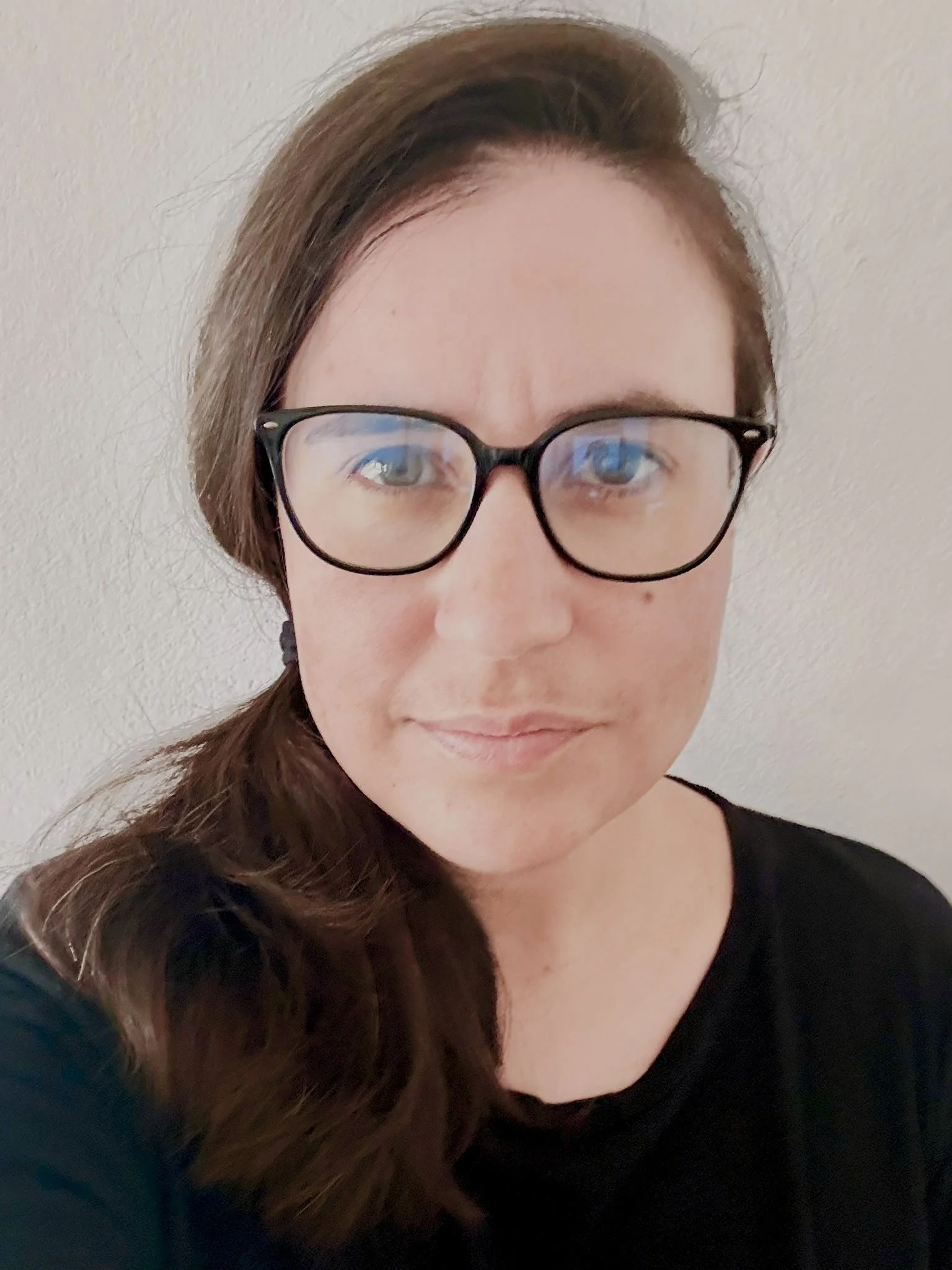
Andrea Solar Losada
Supporting Structured, Repeatable Roleplay in Healthcare English Teaching
PRESENTATION
Roleplay gives Healthcare English learners an opportunity to practise the judgement, flexibility, listening, and communication skills that real healthcare interactions require. But simply providing a scenario and a speaking partner does not guarantee effective practice. This session explores a practical cycle of preparation, performance, observation, feedback, repetition, and reflection. It considers how clear objectives and observable criteria can make roleplay more useful and accessible, particularly for independent teachers and learners, and how technology can support this structure without replacing the teacher.
Bio: Andrea is a medical interpreter and Healthcare English educator based in Fuerteventura, Canary Islands. She has worked as a medical interpreter for six years and has taught Medical English for around four years, with a focus on practical, communication-based approaches to learning. Over the past two years, she has also been developing Roleefy, a platform designed to support structured roleplay and communication practice. Her work in Healthcare English has included collaborations with organisations such as Specialist Language Courses (SLC) and EALTHY.
Alan Simpson & Joel Hensley
Simulated Patient, English and OSCE Usage in Japanese Nursing Education and Related Pedagogical Developments
PRESENTATION
How can English-speaking simulated patients support competency-based nursing education in Japan, and how should communication be assessed when English is a lingua franca rather than a native language? Drawing on a national survey and the development of five English-medium nursing simulations, this presentation explores emerging pedagogical approaches to simulation, OSCEs, and English for Nursing Purposes. Particular attention is given to the iterative development of examiner checklists for chemotherapy and, especially, caesarean-section role plays. These developments offer new insights into how an English as a lingua franca perspective can inform the assessment of nursing communication and clinical competence.
Bios:
Alan Simpson is an Associate Professor at the University of Miyazaki, Japan, where he teaches and researches English for medical and nursing education. He has over 20 years’ experience teaching English for Academic and Specific Purposes. His current research focuses on developing English-speaking simulated patient cases and assessments.
Joel Hensley is an Assistant Professor at Miyazaki Prefectural Nursing University, Japan, and has taught and researched nursing English for over 15 years. Besides training as an English-speaking simulated patient and SP educator, currently he is part of a research project investigating the use of simulation education in nursing education.
Annamária Győrfi
Spontaneous lexis and formulaic language in language aquisition and processing
PRESENTATION
The distinction between spontaneous lexis and formulaic language represents a fundamental concept in the study of language processing, fluency, and second language acquisition.
The use of spontaneous lexis and formulaic language in everyday communication, language acquisition, teaching, and scientific writing.
This presentation examines the structural, cognitive, and functional differences between these two modes of language use, emphasizing their complementary roles in natural discourse. Particular attention is given to their relevance in English for Specific Purposes (ESP), especially in medical communication.
Bio:
Educational activity: Head of PROFEX (English for Medical Purposes), Accredited Examination Site, Targu Mures, Romania - instructer and accredited examiner. Last job: Teaching English for Specific Purposes (ESP) at Lucian Blaga University, Sibiu, Romania and previously at the George Emil Palade University of Medicine, Pharmacy, Science, and Technology, Târgu Mureş, Romania.
Research interests: clinical linguistics, formulaic language, aphasic speech, emotional language. Founding member of the sTANDEM and IMETS consortium, item writer, English for Medical Purposes accredited examiner and trainer.
Reviewer, translator and proofreader: Official translator and proofreader of scientific articles published in Orvostudományi Értesítő (Journal of Medical Sciences). Translator, reviewer, and proofreader of several scientific articles, research studies, PhD studies, books and international projects
Participation in EU projects:
Thematic Network on Medical Education in Europe (MEDINE)
Lifelong learning programme – Testing English for Specific Purposes in Science - TESPIS
Lifelong learning programme - Standardised Language Examinations for Medical Purposes- sTANDEM
International Medical English Testing System (IMETS)

Hanna Potempa & Inaly Martins
Different Paths, Shared Destination
PRESENTATION
Different Paths, Shared Destination brings together two complementary perspectives: an educator with clinical expertise and an English language educator. Drawing on their different professional backgrounds, the presenters explore how authentic immersion and clinical grounding transform English for Healthcare teaching. Through practical examples of role-play, drama, simulation and real-life communication scenarios, the session demonstrates how experiential learning can move students beyond simply knowing medical English towards using it confidently, naturally and effectively in genuine healthcare contexts.
Bios:
Hanna Potempa
Hanna Potempa is a lecturer at the Medical University of Silesia, with a background in English Philology and over ten years of teaching experience. She specialises in English for healthcare, working with healthcare professionals and students preparing for medical careers. Her teaching focuses on authentic, immersive learning through role-play, drama and real-life communication scenarios, helping learners develop confidence and practical language skills.
Inaly Martins
Ina is Founder of Inglês para Médicos, an English for Healthcare company in Brazil. With a background in nursing, she specialises in English for Healthcare, working with specialist doctors and healthcare professionals preparing for international professional contexts. Her teaching integrates clinical context, immersive learning, and real-world necessity through authentic scenarios tailored to specialist practice. She helps healthcare professionals move beyond language knowledge to confident, practical communication skills in international medical contexts.
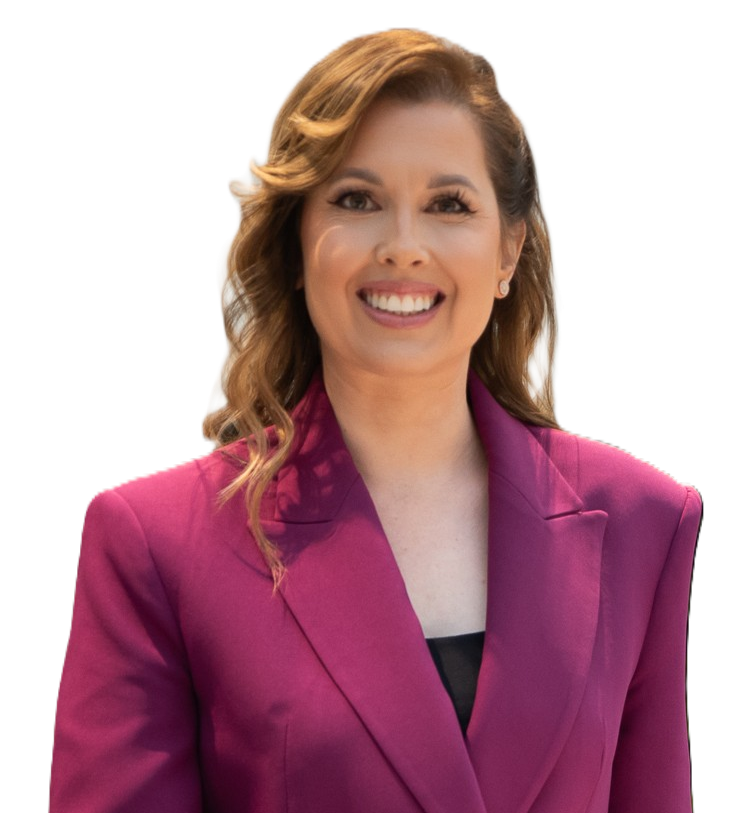
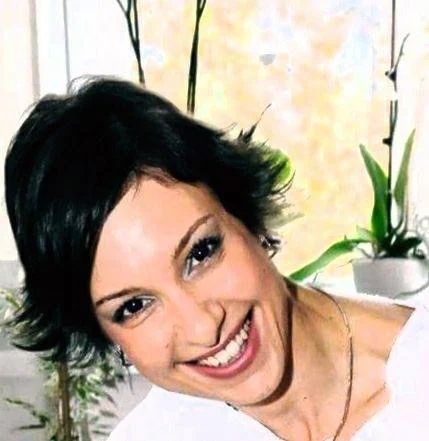
Irena Aleksić-Hajduković & Danka Sinadinović
AVTIA: Erasmus+ study materials for novice audiovisual translators
PRESENTATION
The presentation showcases the Erasmus+ project Audiovisual Translation for Inclusion and Accessibility (AVTIA) whose aim is to help lecturers and students in subtitling for the d/Deaf and hard of hearing (SDH) and audio description (AD) for visually impaired audiences to finetune their knowledge, skills, and competences in order to facilitate inclusion and accessibility to information and education. The presentation offers an overview of multimodal learning and evaluation activities aimed at AVT students which can be easily adapted to suit the needs of learners of English for Healthcare in order to foster empathy, inclusion, and critical reasoning of the world surrounding us.
Bios:
Irena Aleksić-Hajduković is an Assistant Professor in English Language and Erasmus+ ECTS Coordinator at the School of Dental Medicine, University of Belgrade, where she teaches English for Medicine and English for Dental Medicine. Her research interests include multimodal discourse analysis, pragmatics, healthcare communication, internationalisation in education, and digital pedagogies. She is a member of the European Digital Education Hub and the local contact person for the CEEPUS Healthcare Communication Network. She currently serves as the Vice President of the LSP SIG of the Foreign Language and Literature Association of Serbia and the Secretary of the Serbian Association for the Study of English.
Danka Sinadinović is an Assistant Professor and Head of the Department of Humanities at the Faculty of Medicine, University of Belgrade, where she teaches English for Medical Purposes and doctor-patient communication. Her research interests include conversation and discourse analysis, critical discourse analysis, ESP, sociolinguistics, and pragmatics. She serves as the local contact person for the CEEPUS Healthcare Communication Network and is currently President of the Serbian Association for the Study of English (SASE) and the Language for Specific Purposes Special Interest Group (LSP SIG) of the Foreign Language and Literature Association of Serbia.
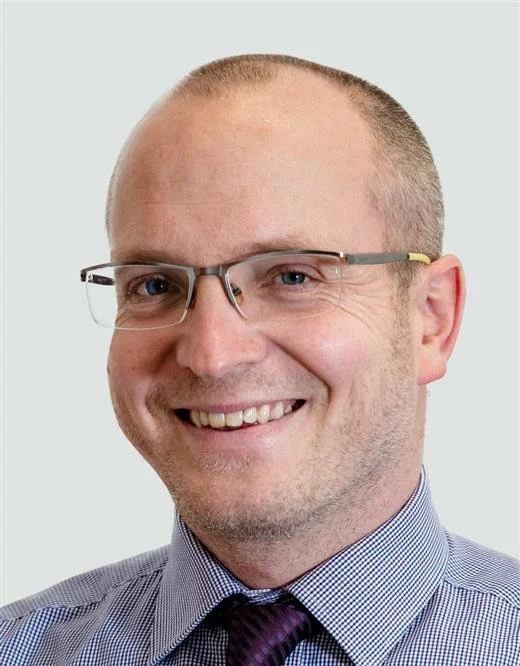
Lukas Merz
Shrinking Hours, Growing Demands: Rethinking ESP at Palacký University
PRESENTATION
Facing a growing trend to reduce the number of English language classes in higher education in healthcare, the paper brings a comparison of study plans at Czech universities and higher education institutions and discusses the necessary adjustments in focus and content of ESP classes at the Faculty of Health Sciences, Palacký University. This paper examines the impact on English instruction and explores the implications that arise from these developments to course programmes and teacher roles.
Bio: Lukas Merz, studied English and German philology at the Faculty of Arts in Olomouc. At the Faculty of Health Sciences, Palacký University Olomouc, he has been teaching ESP for various healthcare study programmes, including Nursing, Midwifery, Physiotherapy, and Paramedicine. He was involved in the HELP and HELP2 projects under the Erasmus+ consortium, producing printed and online learning materials in English and German for healthcare. Both projects received the European Language Label award. In cooperation with FHS Wiener Neustadt, Austria, he managed a joint exchange project called Radiology English Across Borders for RT students. His research focuses on ESP and content design.
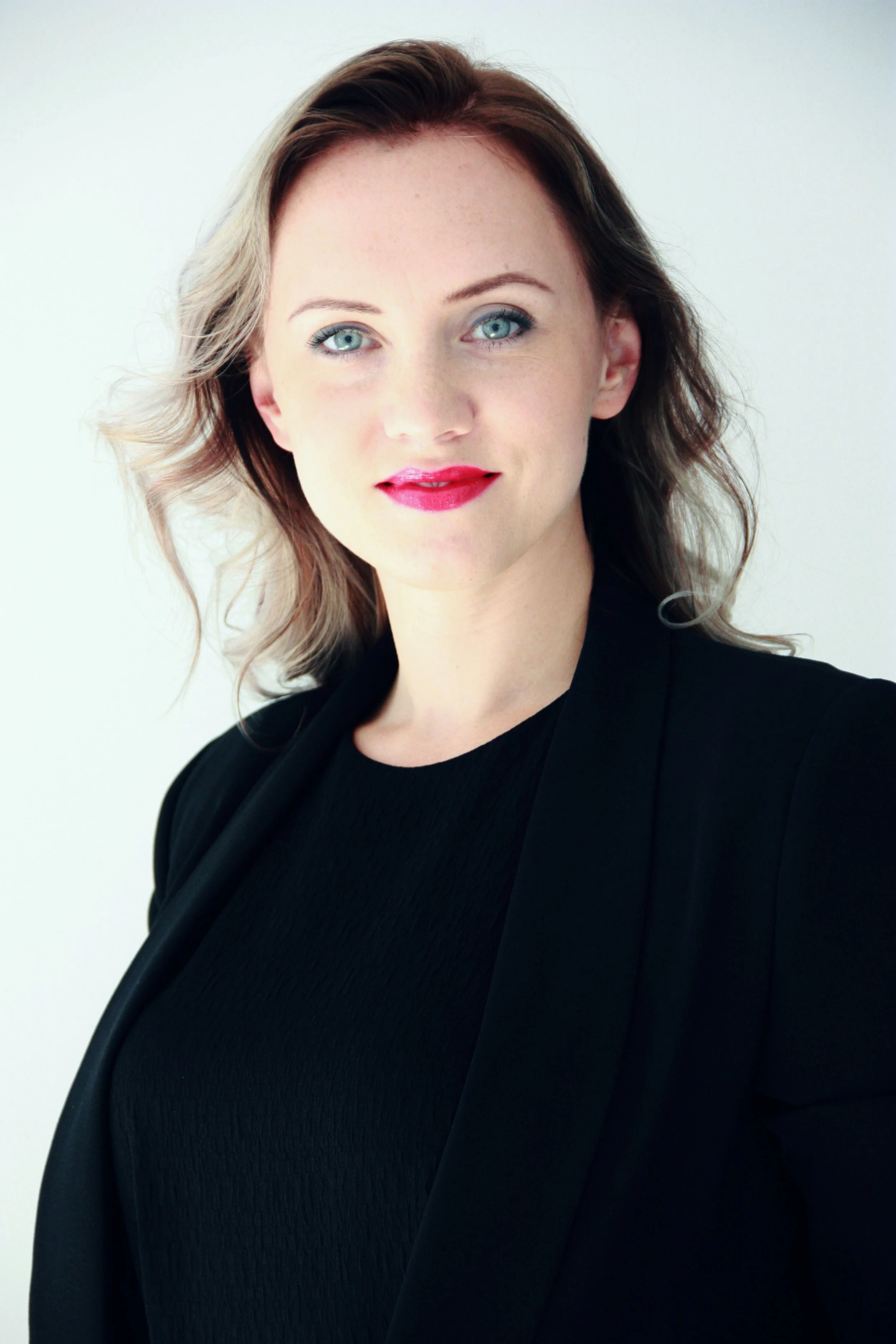
Julia Makowska-Songin
From Classroom to Conference: AI-Driven Personalization and Learner Autonomy in Preparing Medical Doctoral Students for Academic Presentations
PRESENTATION
This session explores how AI-driven personalization can support medical doctoral students in preparing for academic conference presentations. Within a constructivist Medical English framework, AI is used both as a conversational partner and as a tool for designing adaptive, discipline-specific rehearsal tasks. Practical examples will show how doctoral students can practise defending methodology, explaining
research decisions, addressing limitations, and responding to critical questions. The session highlights how AI-supported practice can extend learning beyond the classroom while fostering greater learner autonomy and preserving meaningful teacher guidance.
Bio: Julia Makowska-Songin holds a PhD in linguistics and is an academic teacher at the Medical University of Silesia in Katowice, where she has served as Head of the Foreign Language Department since 2015. She specialises in English for Medical and Academic Purposes. Her research and teaching interests include language teaching for specific purposes, academic communication, autonomous language learning, and the use of AI to support speaking practice. She is the author and co-author of
research and teaching publications in applied linguistics and language education.

Katarzyna Małajowicz
Admission to Game Ward: The Use of Games in Medical English
WORKSHOP
This interactive workshop explores the use of games as an effective tool for teaching Medical English in academic contexts. Participants will be invited to the “Game Ward” to examine how game-based activities can increase motivation, reduce learner anxiety, strengthen memory, and support the development of language skills. The session will provide practical ideas for fostering collaboration, engagement, and student-centred learning.
Bio: Katarzyna Małajowicz is a senior lecturer in English for Medical Purposes at the Jagiellonian University Medical College Language Centre in Kraków. She coordinates the Nursing first-cycle programme and is a co-author of “The Heart of Nursing: English for Compassionate Care”. She has been involved in designing, developing, and assessing the MET C1 exam, a certification exam for C1-level Medical English.
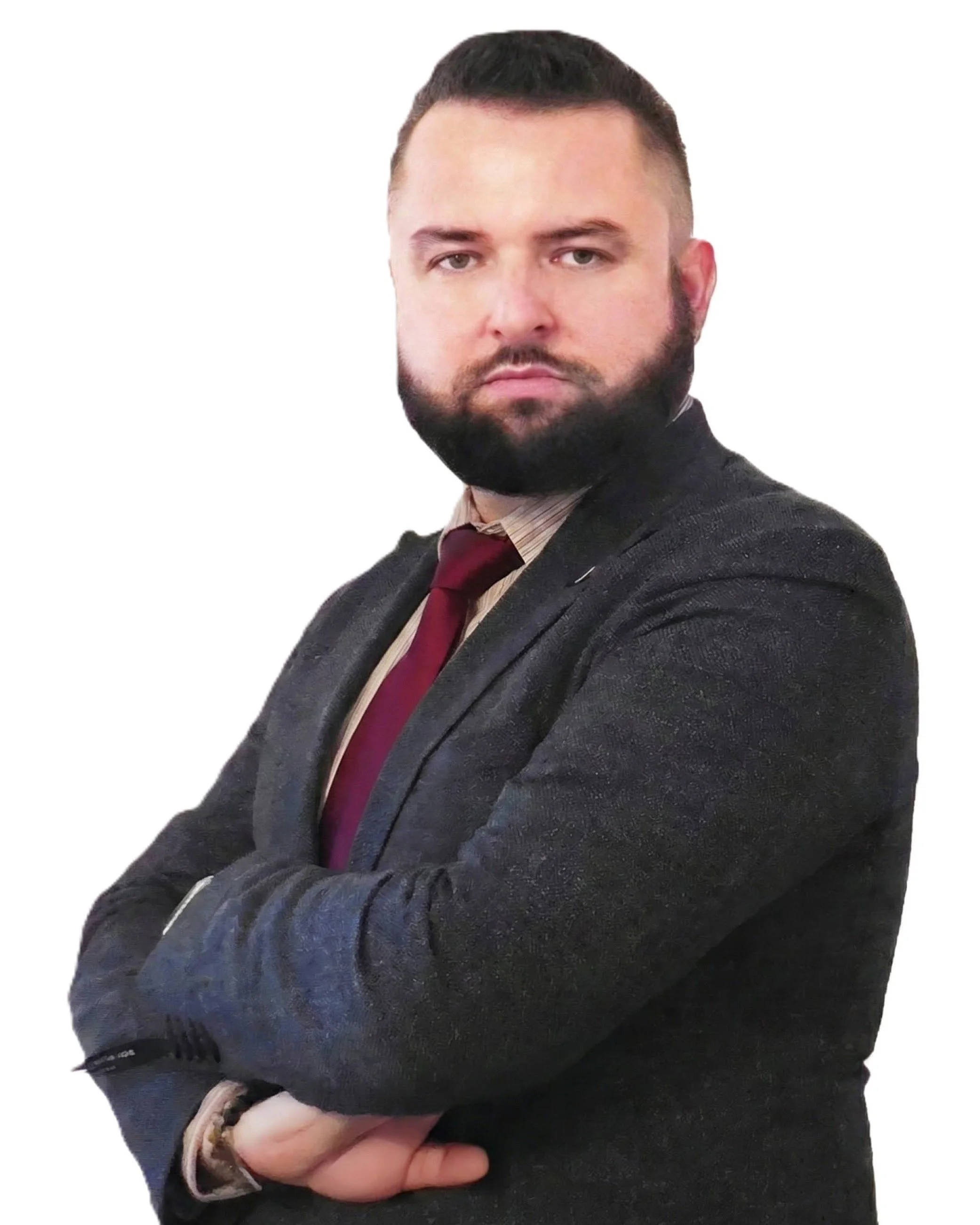
Adam Krzyk
Second language instructors’ personalities and pedagogical practices as catalysts for shaping students’ perceptions of learning medical English
PRESENTATION
This presentation examines how language instructors’ personalities and pedagogical practices influence students’ perceptions of Medical English learning. Drawing on the interplay between teacher characteristics, classroom practices, and student experience, it explores how instructors can shape learners’ motivation, engagement, confidence, and attitudes towards English for medical purposes. The presentation considers the teacher not only as a provider of linguistic knowledge but also as a catalyst whose interpersonal and pedagogical choices can significantly affect the learning environment and students’ perceptions of Medical English.
Bio: Adam Krzyk is a Senior Lecturer at the Language Centre of Jagiellonian University Medical College. He holds a Ph.D. in Humanities and is an English philologist and American studies scholar, with degrees from Jagiellonian University and the University of Glasgow. His research interests include literature, American culture, education, cultural identity, intercultural relations, and clinical communication. His recent work focuses particularly on language education in medical contexts and the role of instructors in shaping students’ learning experiences.
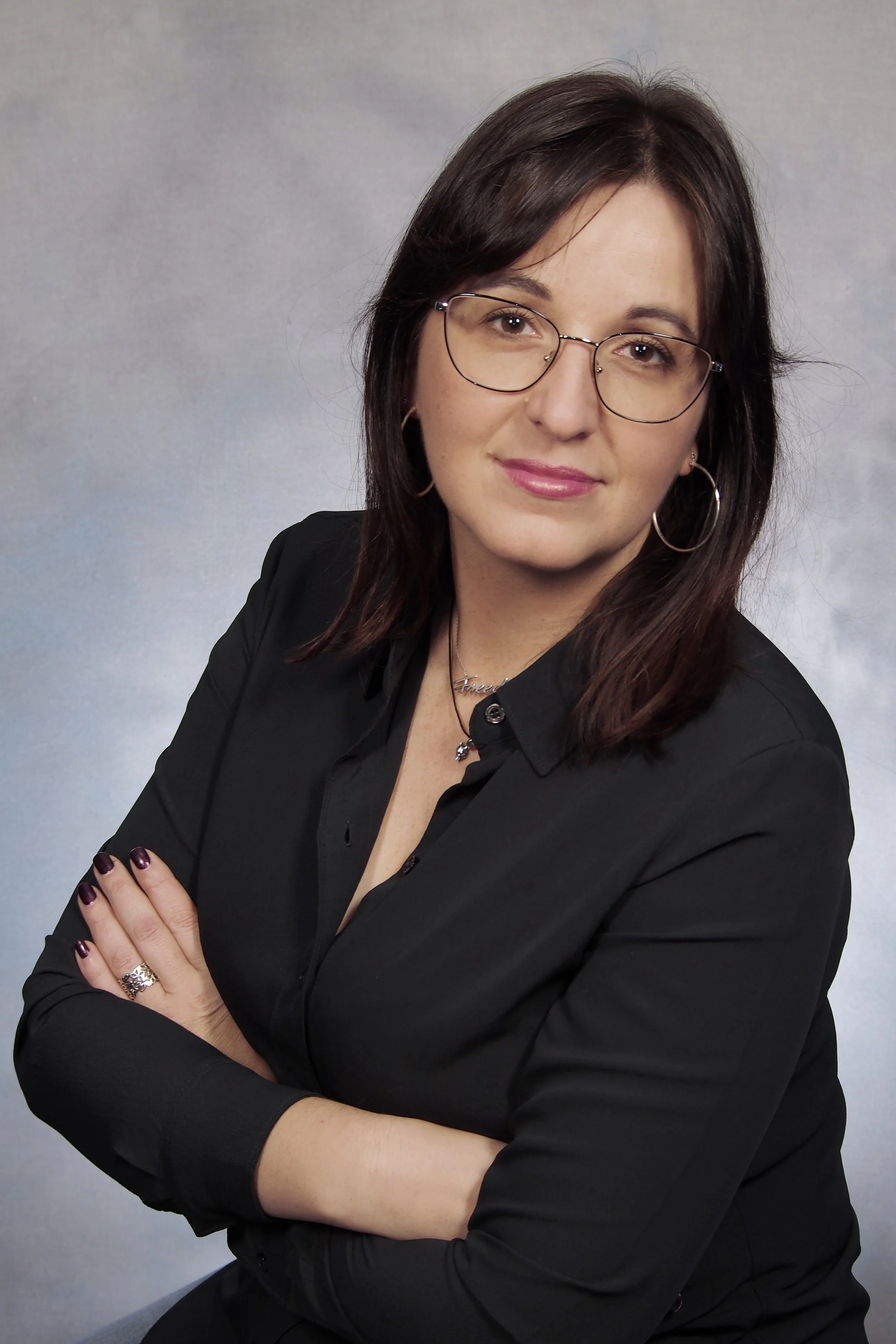
Agata Radecka
Reinventing the ESP Professional: Strategies for Agency in the Modern Healthcare Language Classroom
PRESENTATION
In the postmodern academic landscape, characterized by ‘liquid’ structures and shifting professional demands, ESP teachers often face a crisis of identity and status. Based on the monograph, “Teaching and Learning in Postmodernity. The Professional Role of ESP Teachers” I will explore how practitioners move beyond conventional roles to exercise genuine agency. Drawing on qualitative research and narrative interviews, I will argue that reinventing the ESP professional requires a transition from a technical-linguistic expert to a proactive pedagogical partner or even beyond.
Bio: Agata Radecka, PhD in Social Sciences, is professionally affiliated with the Foreign Language Centre of the Medical University of Silesia in Katowice. She is the author of the monograph entitled “Teaching and Learning in Postmodernity. The Professional Role of ESP Teachers”. Her research interests focus on narrative research, teacher education, and the teaching of English for Specific Purposes.
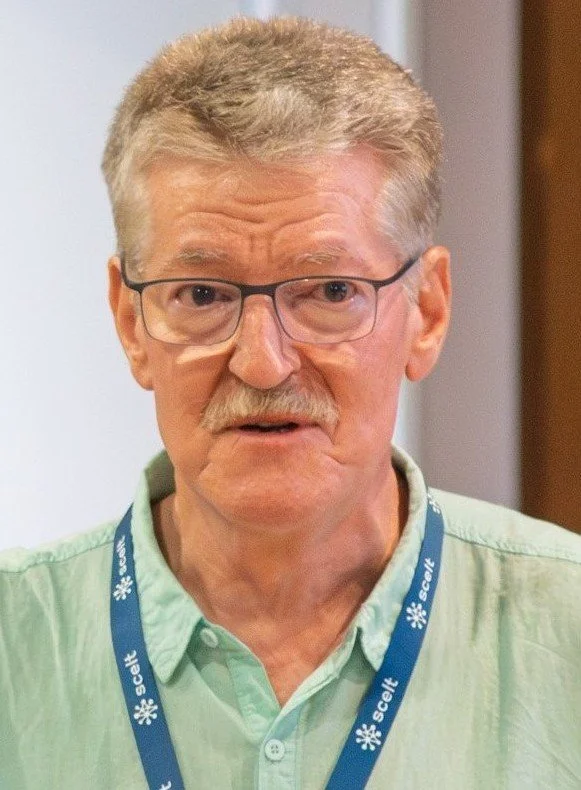
Peter Holly
The University of Pécs, Hungary, Simulated Patient Programme: Evolution and Reflections
PRESENTATION
The University of Pécs Simulated Patient Programme is now 7 years old. This session will provide a brief overview of its evolution and share the reflections of an SP who has been involved since 2022 – reviewing training, role play delivery, feedback, and assessment.
Although medical knowledge is essential for professional competence– the human factor must never be neglected. In an age of AI and ready access to medical information ( and disinformation ) - the development of communication skills in future medical professionals is absolutely critical.
There is therefore a direct correlation between this session and the conference theme – ‘ambiguity and risk in healthcare communication’.
Bio: Peter Holly has over 43 years of ELT experience as a teacher and trainer in the UK, Sudan, Hungary, Bahrain & the UAE. Now a freelancer based back in Hungary, he is passionate about including environmental issues in ELT, a member of the Green Action ELT Steering Committee, and a regular conference presenter. Amongst his consultancy engagements, he has been a Simulated Patient involved with the Pécs University medical student programme since early 2023, and a part-time English instructor there since 2024.

dr Sebastian Koźbiał PFHEA, SFBALEAP (Jagiellonian University, CM CJ)
From Ripples to Waves: Enhancing Reflective Learning in Medical English with AI
PRESENTATION
With the rise of AI, learners increasingly rely on technology to complete educational tasks, potentially limiting the development of critical thinking and self-reflection (Chicho, Al-Kassab, & Hussein, 2024). This presentation explores how structured opportunities for self-reflection can strengthen EAP students’ ability to critically evaluate their work, learning decisions, and development. Grounded in Legitimation Code Theory (LCT), the study examines reflection through semantic gravity and semantic density. Students’ depth of reflection is analysed using an adapted LCT framework and visualised through “reflective waves.” The presentation also introduces GradeVance, an AI-based tool developed from the presenter’s PhD research, designed to support learners in understanding and improving their reflective writing.
Bio: Sebastian Kozbial is a Senior Lecturer in English and Medical Studies Programme Coordinator at Jagiellonian University, Poland. He holds a PhD in Educational Assessment (University of Liverpool) and is a Principal Fellow of Advance HE and Senior Fellow of BALEAP. His professional and research interests include formative assessment, formative feedback, self-regulation, student-centred pedagogy, and the use of AI in education. He has extensive experience in EAP and ESP across the UK, China, and Poland, and has contributed to teaching, academic development, programme leadership, assessment, and educational enhancement in higher education.
Ewa Kościałkowska-Okońska
Translating Lives, Not Just Words - Rethinking Medical Translation Training
PRESENTATION
This presentation explores how Medical English training can move beyond terminology-focused instruction towards more context-aware and professionally relevant learning. Combining insights from classroom practice and student perspectives, we consider how authentic medical materials, translation and mediation can support linguistic precision, communicative awareness and professional readiness. Particular attention is given to the relationship between linguistic challenge, learner engagement and the demands of real-world medical communication.
Bio: Ewa Kościałkowska-Okońska, Professor at the Department of Experimental Linguistics (Nicolaus Copernicus University in Toruń, Poland), specialises in translation studies and specialist language communication. She has worked professionally as a translator and interpreter since 1998, with extensive experience in medical translation, including clinical documentation, scientific publications and medical device documentation.
Alongside her research and professional translation practice, she has many years’ experience in teaching medical translation and providing specialist training for both translation students and professional translators, with a particular interest in bridging linguistic expertise, professional practice and real-world specialist communication.
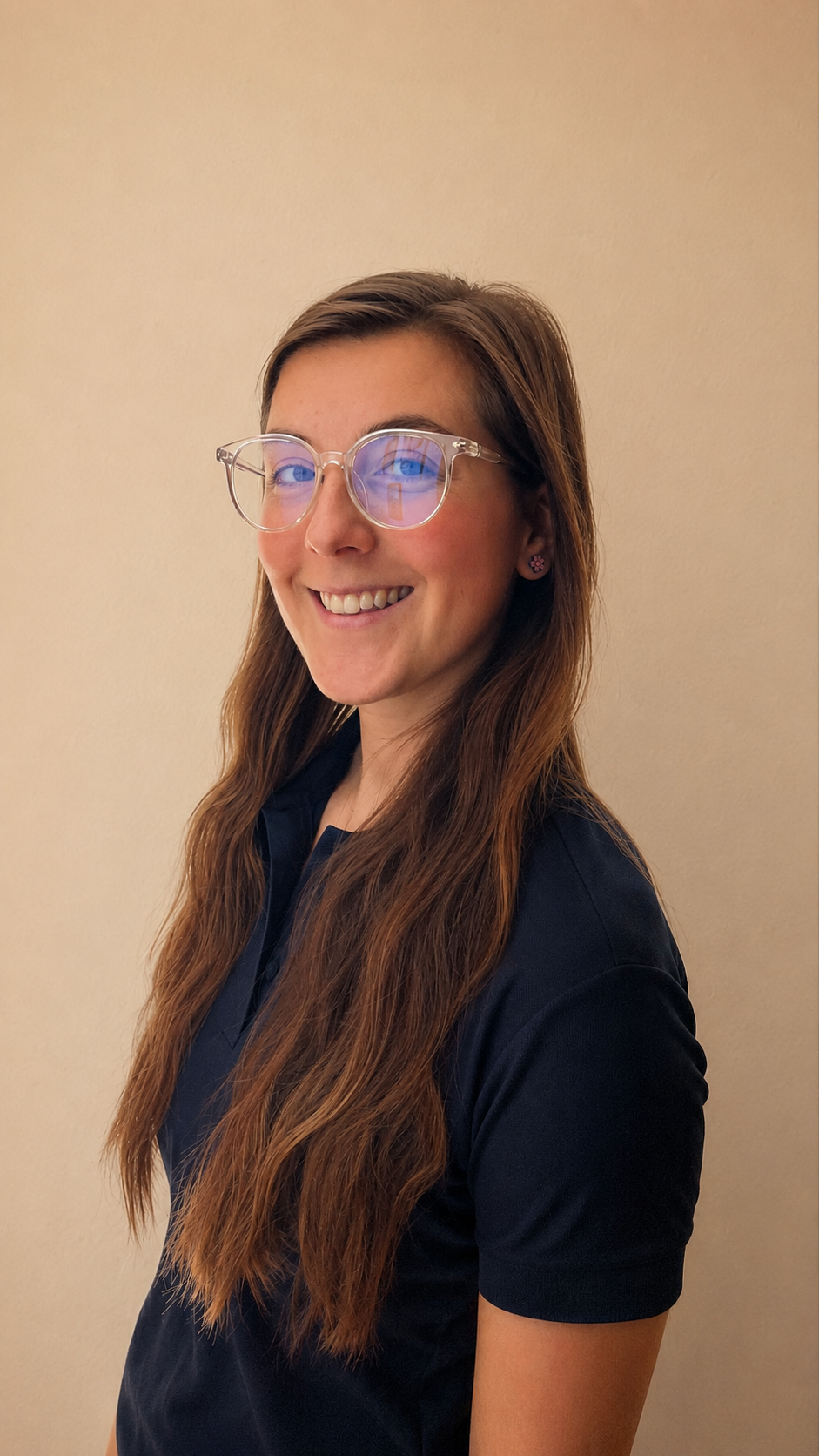
Eva Komínková
Redesigning Medical English: A New Course for Practical Communication
PRESENTATION
This presentation introduces a new optional course, English for Medical Communication, at the Faculty of Medicine and Dentistry, Palacký University Olomouc. This course enables students to build on their existing knowledge of Medical English while learning how to communicate effectively with patients, their relatives, and colleagues.
The methodological approach begins by familiarising students with useful phrases and communication strategies and progresses towards their practical application in role-plays and group discussions. Moreover, students critically analyse authentic clinical recordings to assess whether healthcare professionals communicated appropriately and to refine their own interpersonal skills.
Bio: Eva Komínková is a lecturer at the Department of Foreign Languages, Faculty of Medicine and Dentistry, Palacký University Olomouc. She has over 10 years of experience teaching English. She currently teaches English for Medical Purposes to General Medicine and Dentistry students. Her goal is to make doctor-patient communication effective and pleasant for both sides.
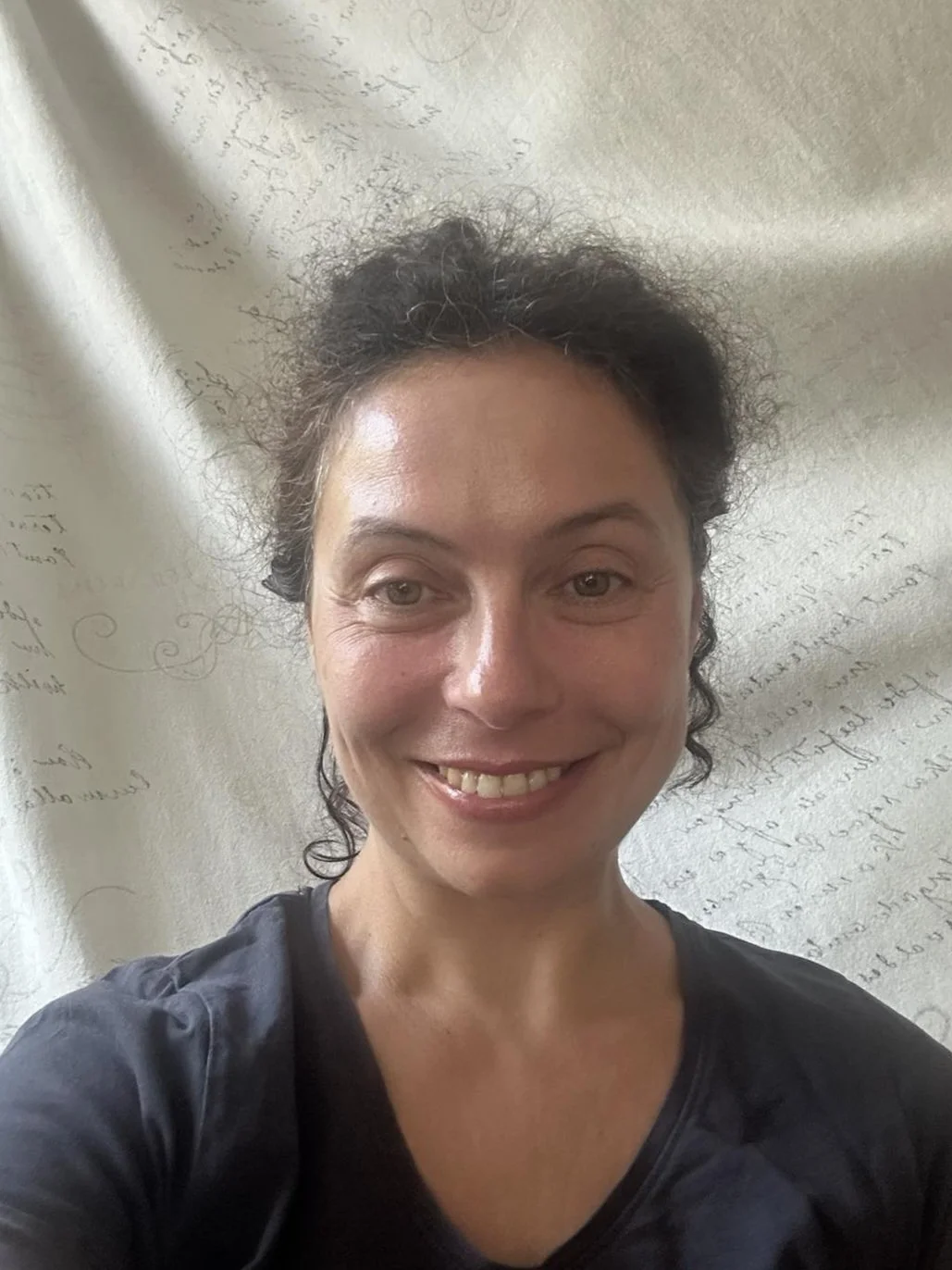
Veronika Kelbecheva, PhD
The Evolution of Medical Vocabulary from Classical Languages to Modern English: Pedagogical Strategies for Healthcare Professions
POSTER
Inspired by mandatory terminology courses for medical, dental, pharmacy, nursing, midwifery, and physician assistant students, this presentation examines the etymological foundation of medical English rooted in Latin and Greek. It traces how ancient roots and concepts transformed into modern terminology, shaping clinical language. By analysing this evolution, the study provides a schematic framework illustrating how practical medical English relies on classical origins. Furthermore, it outlines effective pedagogical strategies and didactic approaches widely used in medical universities to help healthcare students seamlessly bridge classical terminology with modern usage.
Bio: Veronika Kelbecheva, PhD, is a Senior Lecturer at the Medical University of Plovdiv, Bulgaria, where she teaches Latin and Medical Terminology in both Bulgarian and English. Her research focuses on Ancient medicine, the evolution and application of medical terminology from Greco-Roman antiquity to the present, ancient medical texts, and the philosophy of medicine. Her professional interests center on teaching methodologies for Latin for medical purposes. She has completed numerous research fellowships, including at Exeter College (Oxford, UK), the University of Poitiers (France) as a French Government Fellow, and the Fondation Hardt (Geneva, Switzerland). Additionally, she has conducted academic teaching mobility visits via the Erasmus+ program as a guest lecturer in Wrocław and Bydgoszcz (Poland), Nice, Marseille, and Paris (France), Rome and Catania (Italy), Riga (Latvia), and Ghent (Belgium).
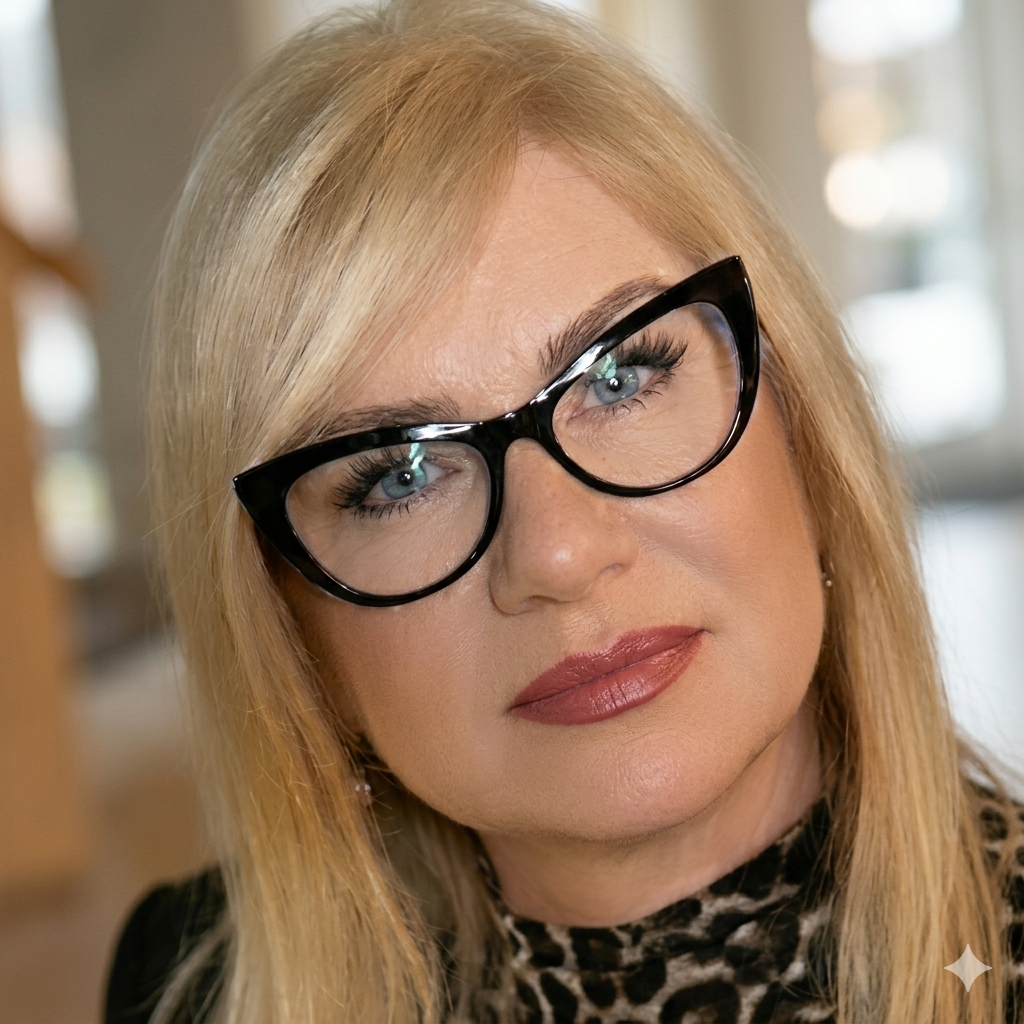
Asst. Prof. Nataša Šelmić, PhD
The Role of AI-Powered Tools in Learning Medical English: A Cross-Sectional Study
PRESENTATION
This study investigated AI tool usage among 122 medical students at the University of Niš, Serbia. Nearly half (49.2%) reported using AI, with ChatGPT (72.0%) most common, followed by Grammarly, Quizlet, and other supplementary applications. Students valued error correction, contextual understanding, vocabulary building, and pronunciation support. While 32.0% rated AI moderately effective and 21.3% very effective, challenges included premium costs, inaccuracies, and limited medical vocabulary. Most participants viewed AI as complementary to traditional methods, with moderate trust in generated content. Findings highlight AI’s growing role in Medical English education, offering flexibility and feedback but requiring refinement for specialized needs.
Bio: Nataša Šelmić, PhD is Head of the Department of English Language at the Faculty of Medicine, University of Niš, Serbia. Dedicated to advancing Medical English, she authored English in Dentistry and numerous articles on English for specific purposes. Her MA thesis examined syntactic transformations, while her PhD thesis explored the role of English in medical education. She is also engaged in simultaneous interpreting, translation, and proofreading of medical literature. Actively involved in academic publishing, she proofreads for Facta Universitatis (Series Medicine and Biology) and Acta Medica Medianae, both published by the University of Niš. Her work bridges language and medicine, empowering future healthcare professionals.
Bogumiła Koźbiał
From ARC to (M)ARC: Enhancing Linguistic Development and Engagement through an Adapted Academic Reading Circles Framework
PRESENTATION
With the rise of AI-generated content, digital reading often becomes passive processing, potentially compromising critical comprehension and analytical reasoning. Given how closely reading literacy and critical thinking are interconnected, Academic Reading Circles (ARCs) may offer a valuable pedagogical alternative. By distributing cognitive load through structured, role-based analysis, ARCs can help enhance vocabulary acquisition, argument evaluation, and collaborative discourse. Drawing on current research, this presentation explores how the ARC framework might be adapted for English for Medical Purposes (EMP) to encourage active engagement and manage cognitive load when dealing with complex texts.
Bio: Bogumiła Koźbiał is a Senior Lecturer in English for Medical Purposes at the Jagiellonian University Medical College Language Centre in Kraków. She is a Senior Fellow of Advance HE (SFHEA) with an extensive background as an EAP/ESP educator, external examiner, and teacher trainer across private, tertiary, and transnational contexts (HE in China). Drawing on her primary professional background in academic skills, curriculum design, and assessment, she focuses on translating pedagogical research into accessible practice to foster critical literacy, active student engagement, and communicative competence in healthcare contexts.
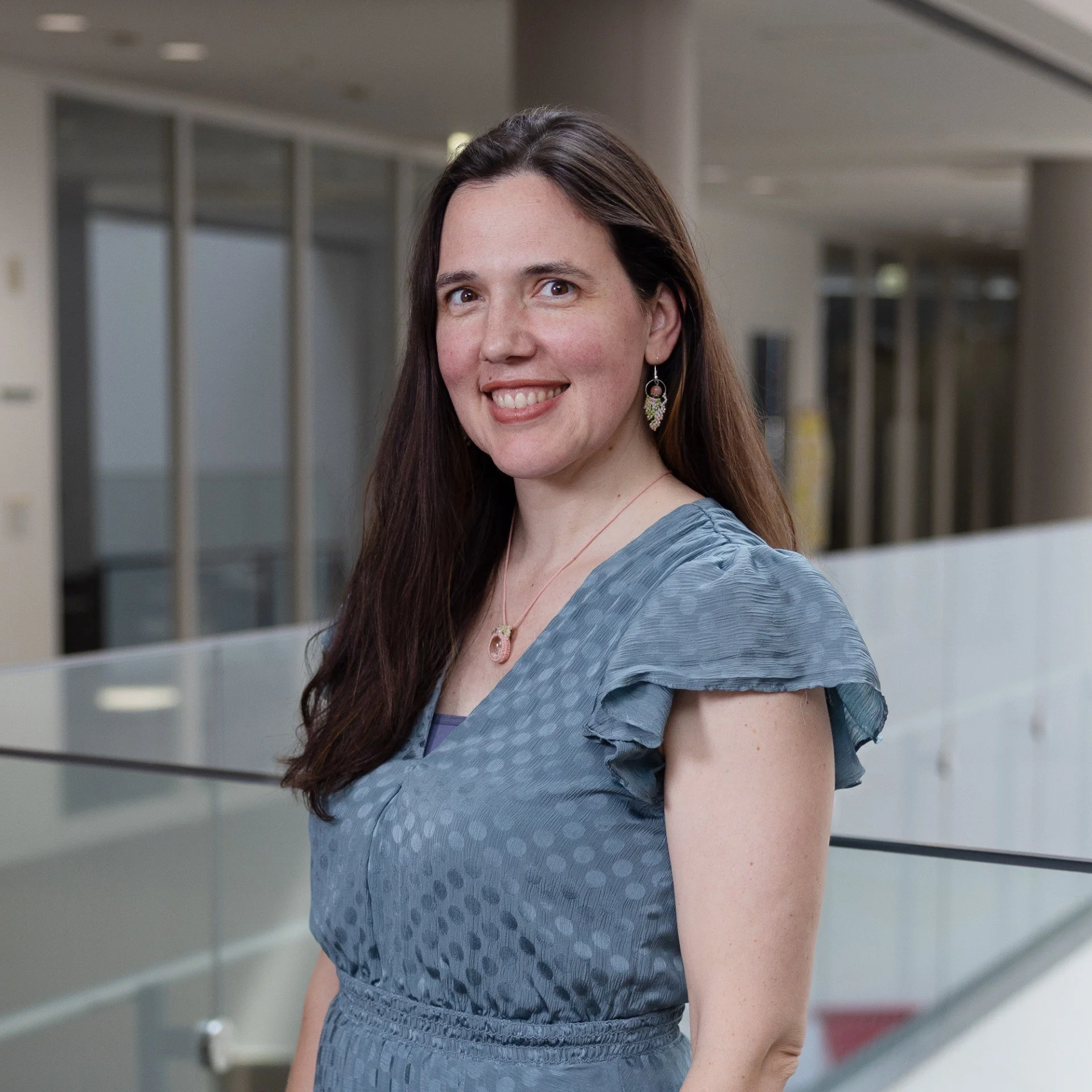
Jeanette Dennisson
Building MyBobby: A Grounded Theory Approach to an AI-Powered Medical Communication Training Tutor
PRESENTATION
This workshop explores how healthcare English teachers can use AI-supported simulated patient tasks to help learners practice patient-centered communication in realistic but controlled settings. Participants will consider how patient narratives, role-play prompts, and reflective follow-up tasks can support communication skills, cultural awareness, and professional identity development. The session is practice-oriented and will include examples of how AI tools can assist with scenario design, learner support, and feedback while keeping teacher judgment and ethical safeguards central.
Bio: Jeanette Dennisson is a Professor at St. Marianna University School of Medicine, Japan, dedicated to improving the medical communication. She has contributed to medical English programs at multiple universities in Japan and is currently working on a government-funded research project the creates medical interview simulation training utilizing speech-recognition technology and carefully designed culturally and linguistically diverse AI patients, as well as AI-assisted research tools for developing medical communication skills with patients.
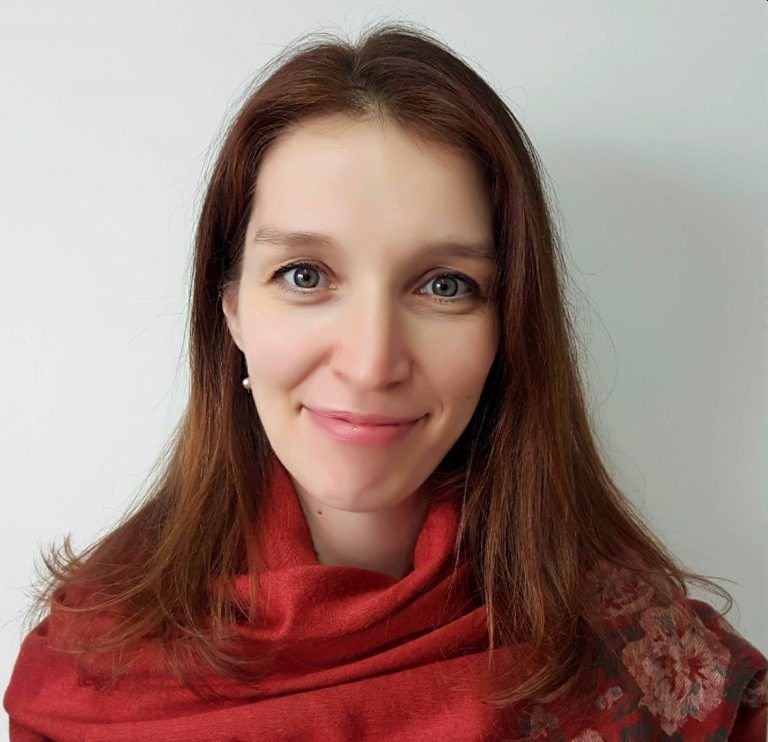
Letitia Goia
The Human Touch in Medical English: What AI Cannot Teach
POSTER
The Human Touch in Medical English: what AI cannot Teach The poster presents the results of a survey addressed to medical students between May 6–13, 2026. It investigated which aspects of Medical English education students consider irreplaceable by AI and uniquely facilitated by human teachers. The questionnaire assessed students’ perceptions on linguistic feedback, pragmatic competence in clinical communication, empathy, social awareness, and human support during learning.
Bio: Letiția GOIA is a lecturer in the Department of Modern Languages at “Iuliu Haţieganu” University of Medicine and Pharmacy in Cluj-Napoca. She has a doctoral degree in Philology from Babes-Bolyai University, Cluj-Napoca, and her fields of interest are teaching and assessing English for Specific Purposes, as well as acquiring and improving communication and presentation skills in English.
Katarína Murčeková
Transforming CEFR Mediation Descriptors into Authentic EMP Tasks
POSTER
This poster explores how CEFR mediation descriptors can be transformed into authentic English for Medical Purposes (EMP) tasks that require students to make medical information accessible to different audiences. Drawing on baseline data from 108 first-year medical students, it examines performance across seven CEFR-aligned mediation tasks before mediation-oriented instruction. Students performed best when relaying specific information, while greater difficulties emerged in explaining data and summarising. With an overall baseline mediation competence of 53.6%, the findings suggest room for improvement. Mediation-oriented tasks can provide a valuable complementary approach to EMP instruction, offering opportunities to practise authentic healthcare communication.
Bio: Katarína Murčeková is a PhD candidate in Applied Linguistics at the University of Trnava and an Assistant Professor at the Jessenius Faculty of Medicine, Comenius University in Bratislava, Slovakia. She teaches English for Medical Purposes to students in General Medicine, Nursing, Midwifery, and Public Health. Her academic interests include CEFR-informed language teaching, mediation-oriented instruction, and the action-oriented approach in language education.
Justyna Kowalczys
Bridging the Gap: From Real-World Medical Resources to the Classroom and Beyond — AI-Supported Content Adaptation
PRESENTATION
The poster presents a practical framework for AI-supported content adaptation in Medical English, illustrating how authentic medical resources—including journal articles, clinical videos, and doctor–patient interactions—can be systematically adapted into CEFR-aligned learning materials. The approach demonstrates how AI can support language adaptation, pedagogical differentiation, task design, vocabulary development, and learner autonomy while retaining the authenticity and cognitive demands of real-world medical communication. Particular emphasis is placed on the educator’s role in evaluating AI-generated content and ensuring medical accuracy, pedagogical validity, source reliability, and ethical use. By integrating authentic healthcare communication with AI-supported pedagogy, the poster proposes a structured approach to bridging the gap between real-world medical expertise and effective Medical English teaching and learning.
Bio: Justyna Kowalczys is a graduate of English Philology at the Faculty of Languages, University of Gdańsk, Poland, and has over twenty years of experience in higher education. Her academic and teaching expertise encompasses Practical English and English for Specific Purposes (ESP), with a particular focus on medical, military, and technical English. Her professional interests include the design and development of Adult Distance Learning (ADL) materials, as well as the development and implementation of e-learning modules for ESP instruction. Her work combines pedagogical expertise with extensive experience in designing language education for specialized professional and academic contexts, particularly in the field of medical English.

Natalia Gryglak
English Language Needs of Polish Healthcare Professionals
POSTER
The study investigates the English language needs, competencies, and learning preferences of Polish healthcare professionals. An online survey was conducted among 185 participants representing diverse medical disciplines. Over 92% reported at least occasional contact with English-speaking patients or colleagues, yet self-assessed proficiency clustered predominantly at B1–B2, with medical vocabulary and specialist pronunciation emerging as the weakest and highest-priority areas for development. Personal development, reading medical literature, and participation in academic and scientific activities were the primary learning motivations. Synchronous online instruction was the most preferred format. The results provide an empirical foundation for designing targeted English for Medical Purposes programmes aligned with the identified needs of Polish healthcare professionals.
Bio: Natalia Gryglak is a Senior Lecturer at Jagiellonian University Medical College in Krakow. She earned her Ph.D. in Linguistics from the University of University of the National Education Commission, Krakow, in 2023. Her research specialises in foreign language learning for older adults, English for Medical Purposes, and the integration of new technologies in foreign language education. ORCID: 0000-0002-8571-6010